
The historical evolution of casinos From ancient games to modern entertainment
The historical evolution of casinos From ancient games to modern entertainment
The Origins of Gambling and Early Casino Games
The history of gambling traces back to ancient civilizations, where games of chance were often linked to religious or social rituals. In Mesopotamia, around 3000 BCE, dice made from animal bones were discovered, indicating that people engaged in games that involved luck. Similarly, ancient Egyptians played a variety of games, some of which involved betting and luck, illustrating the innate human attraction to chance and risk-taking activities. Today, you can relive the excitement of this historical evolution with the Ice Fishing Live game demo, which captures the thrill of modern gaming.
As societies evolved, so did the complexity of gambling games. The Greeks and Romans introduced their own variations of dice games and betting systems, emphasizing competition and entertainment. The Greeks enjoyed games like “astragali,” which involved casting knucklebones, while Romans created a bustling environment of betting on gladiatorial games. These early forms of gambling set the groundwork for the structured environments we recognize today as casinos.
In the Middle Ages, gambling continued to flourish across Europe, particularly in Italy. The term “casa” referred to establishments where games were played, gradually evolving into what we now know as casinos. This period saw the creation of classic games such as roulette and baccarat, which would later become staples in modern casinos. Thus, the historical roots of gambling reveal a fascinating journey that transformed simple games into complex social institutions.
The Birth of Modern Casinos
The 17th century marked a significant shift in the evolution of casinos, with the establishment of the first recognized gambling houses. The Casino di Venezia, opened in 1638, is considered the world’s oldest casino, providing a formal setting for gambling in a city renowned for its vibrant culture and arts. This establishment set a precedent for other cities, leading to the proliferation of similar venues across Europe.
During the 18th century, gambling gained further legitimacy, especially in France, where casinos became fashionable among the aristocracy. The introduction of the modern roulette wheel in 1842 by French inventors François and Louis Blanc propelled casino gaming into a new era. This innovation not only attracted players but also helped casinos generate substantial revenues, paving the way for the lavish establishments we see today.
By the late 19th century, the American landscape began to embrace casinos, with places like Monte Carlo and Las Vegas emerging as iconic gambling destinations. The combination of glamour, excitement, and the allure of winning drew in crowds, transforming casinos into not just places for gambling, but hubs of entertainment and social interaction.
The Influence of Technology on Casinos
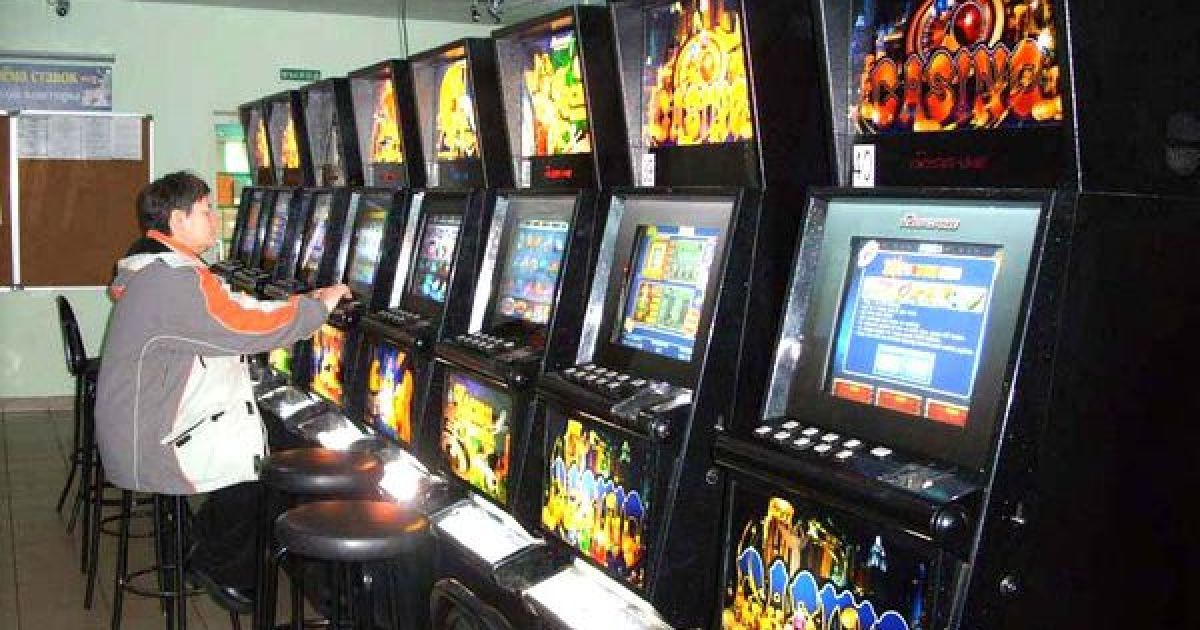
The 20th century introduced unprecedented technological advancements that revolutionized the casino industry. The advent of electronic gaming machines in the 1960s brought a new level of excitement to casinos. Slot machines gained immense popularity, allowing players to engage in quick, easy gameplay, which significantly increased revenue for casinos. The mechanical designs evolved into digital formats, featuring elaborate graphics and sound effects that enhanced the gaming experience.
The rise of online casinos in the late 1990s marked another crucial turning point. Players no longer needed to travel to physical locations to gamble; they could enjoy their favorite games from the comfort of their homes. This digital transformation opened up new markets and demographics, as online platforms became accessible to a global audience. The integration of sophisticated algorithms and random number generators ensured fair play, maintaining the integrity of online gambling.
In recent years, the introduction of live dealer games has bridged the gap between online and traditional casinos. By incorporating real-time streaming and interactive gameplay, players can experience the thrill of a physical casino while enjoying the convenience of online access. As technology continues to advance, the casino experience will likely evolve, embracing innovations such as virtual reality and augmented reality, further enhancing player engagement.
The Social and Cultural Impact of Casinos
Casinos have significantly shaped social dynamics and cultural perceptions of gambling over the centuries. Initially viewed as hubs for the elite, modern casinos have democratized gambling, making it accessible to a broader audience. This shift has led to the normalization of gambling as a form of entertainment, with casinos integrating dining, shopping, and live entertainment to create comprehensive leisure experiences.
However, the growth of the casino industry has not been without controversy. Issues related to gambling addiction and financial difficulties have sparked debates about responsible gaming and regulation. Many jurisdictions have implemented measures to address these concerns, promoting responsible gambling practices and supporting those affected by gambling-related issues. This balance between entertainment and social responsibility is crucial as the industry continues to thrive.
Moreover, casinos have become cultural landmarks, influencing regional economies and tourism. Major cities have leveraged the allure of casinos to attract visitors, creating jobs and stimulating local economies. Iconic destinations like Las Vegas and Monte Carlo are not only renowned for their gaming but also for their distinctive architecture and vibrant atmospheres, showcasing how casinos can blend seamlessly into the cultural fabric of a community.

The Future of Casinos in a Digital Age
As we move further into the 21st century, the future of casinos is poised for continuous evolution. With an increasing reliance on technology, casinos will likely incorporate artificial intelligence to analyze player behavior, personalize gaming experiences, and optimize operations. This data-driven approach can enhance customer satisfaction while improving the overall efficiency of casino operations.
The growing popularity of mobile gaming indicates a shift in how players engage with casinos. The convenience of playing on smartphones and tablets allows players to gamble anywhere and anytime, contributing to the rise of the “gamification” phenomenon in online platforms. Gamification elements, such as rewards and challenges, will likely become standard features, further enhancing player engagement.
Furthermore, the integration of cryptocurrencies and blockchain technology may redefine financial transactions within casinos. The potential for secure and transparent transactions can attract a new demographic of players interested in innovative payment options. As the industry embraces these trends, it will continue to adapt and thrive, ensuring that the essence of entertainment and excitement remains at its core.